
When Did Music Festivals Embrace Sponsorship as the New Normal?
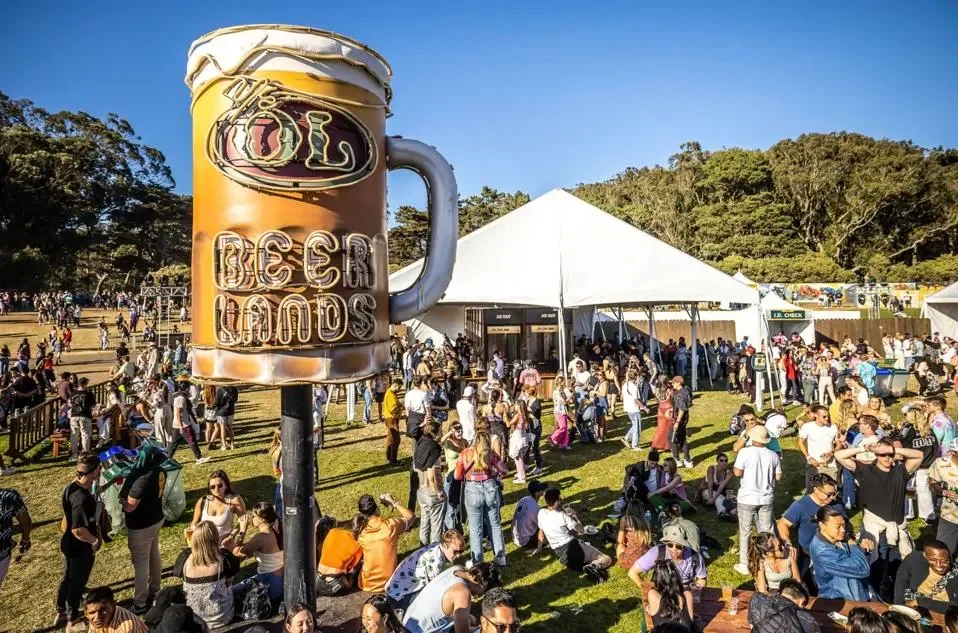
I’ve been scratching my head wondering when our beloved music festivals turned into these brand-saturated extravaganzas. Was it really George Wein in the 1950s, or did the shift creep in later? The truth is, sponsorship in music events has a long pedigree, but it exploded as festivals got big and expensive. In the early days, jazz impresario George Wein did indeed pioneer corporate sponsorship for his festivals – even putting brand names in event titles (think “Schlitz Salute to Jazz” and “Kool Jazz Festival”). This was unusual at the time, but it showed one path to funding large events. Similarly, New York’s 1967–76 Wollman Rink concerts were backed by beer companies like Rheingold and Schaefer to keep ticket prices low. In fact, without that corporate money, organizers often couldn’t have kept the shows affordable.
So yes, corporate names started appearing on fest posters by the late 1960s. But many iconic 1960s–70s fests (Woodstock, Newport Folk, etc.) proudly flew sponsor-free flags, fueled by ticket sales, volunteers or arts grants. As a result, festivals for a long time retained a “countercultural” vibe, more carnival than commerce. That began to change only in the 1990s. By then, music festivals had become bonafide businesses with huge audiences. As researcher Chris Anderton notes, legislative changes in the 1990s helped professionalize British festivals and sparked “a reliance on brand sponsorships”livemusicexchange.org. The same trend took hold in the U.S.: Woodstock’s communal spirit faded, and new festivals (Lollapalooza, SXSW, Bonnaroo) grew under corporate tents. Even Glastonbury, long famous for eschewing ads and donating profits to charity, started accepting certain partners (e.g. a radio coverage sponsor) to cover costs. In short, by the 21st century festivals needed big money, and ticket sales alone usually couldn’t foot the bill.
Today’s festivals are fully in the corporate era. They’re “mainstream businesses that reap profits and embrace corporate sponsorships”. Major brands flock to them as the ultimate engagement vehicles: a Time Mag article points out festivals now draw millions (Coachella grossed $114M in 2017!) and hold millennial fans captive for days. It’s no wonder drink giants like Anheuser-Busch, PepsiCo, Coca-Cola and others are among the top active festival sponsors. As one industry study bluntly notes, festivals live and die by tickets and sponsorships – a combination that powers stages, stageside lounges, apps, Wi-Fi and more. In fact, attendees often expect brand activations now. One expert quips that festival-goers will happily pay $10 for a beer if they know “the sponsor is responsible for the event,” even if it’s overpriced.
All this amounts to a new normal: we can’t really go back to a ticket-sales-only model. Festival budgets (artist fees, production, infrastructure, security etc.) have ballooned. Many organizers warn not to count on sponsors as guaranteed income, but in reality most fests do plan around that corporate cushion. Sponsors aren’t just logo-slapped banners anymore – they fuel stages, VIP areas, social feeds and the whole festival vibe. We’ve reached the point where every stage lineup, app push-notification or wristband has a brand somewhere behind it. That journey – from barnstorming jazz tours to today’s Instagrammable brand islands – tells us sponsorship is here to stay.
Key Ethical Challenges of Sponsorship-Driven Festivals
While sponsors keep festivals alive, they also introduce thorny ethical questions. I’d say the top three issues to wrestle with are:
Authenticity vs. Commercialization. Festivals were born from a creative, communal impulse, not a marketing plan. When big brands move in, some purists worry that the “soul” gets sold out. Does a beer pavilion or corporate stage sponsor change the vibe of a grassroots fest? It can. For example, many indie and niche festivals deliberately turn down sponsors that clash with their values. The UK’s Farmfestival (a roots-music event) famously refused large corporate deals that “do not fit with our ethical values” rather than sacrifice its mission. In our industry, organizers need to balance budget needs against audience trust: too much overt selling might alienate fans who came for music and community, not commercials.
Audience Data & Trust. Modern festivals collect tons of data – ticketing info, app usage, RFID wristbands, Wi-Fi logins, you name it. Sponsors love this treasure trove (think personalized marketing). But attendee privacy is a big deal. As one festival expert notes, people entrust festivals with their personal data, and any misuse “can shatter that trust overnight”. With new laws like GDPR (EU) and CCPA (California), organizers must handle data ethically. That means clear consent for data use and strict security. If a sponsor harvests info without permission, or if a breach leaks fan details, it quickly becomes an ethical and PR disaster. In essence: collecting data can enhance the experience (better logistics, customized offers), but it must be done transparently. Fans should never feel like they’re walking ad targets or data-mines without knowing it.
Sponsor Alignment & Influence. Not all sponsors are created equal. A conflict in values between a festival’s ethos and a brand’s image can raise red flags. We’ve seen real blowups: for instance, Ticket Fairy reports on Ireland’s Fleadh Cheoil folk festival, which drew public outrage when it accepted a sponsorship from a corporate giant even though the money was badly needed. Attendees and artists felt betrayed – the sponsor’s reputation undermined the festival’s cultural standing. Likewise, think of a family-friendly fest heavily sponsored by an alcohol or vaping company: it just feels off. Festivals today need clear ethical guardrails. A written sponsorship policy is almost mandatory, as the industry wisdom goes. It defines what’s off-limits (e.g., tobacco, controversial politics, exploitative advertising), so organizers have a rock-solid reason to say no to money that might harm their brand. After all, short-term cash isn’t worth a busted reputation and fan backlash.
Those three challenges – authenticity, privacy, and values – are top of mind for any savvy festival leader now. They cut across the U.S. and global scene. For example, Glastonbury (UK) has long insisted on “pleasure over profit,” jettisoning many commercial sponsors and even banning plastic water bottles to align with its green image. In the U.S., SXSW introduced strict data privacy measures and guidelines for sponsors after recognizing its international audience was sensitive to GDPR requirements. Every region has its nuance, but the core questions stay the same: Who are we giving a megaphone to, and does it fit our community?
Toward Responsible Sponsorship (What Leaders Can Do)
So how can emerging festival leaders navigate this terrain wisely? Some practical approaches include:
Lead with Values. Define your festival’s core mission and audience expectations. Use that as a sponsorship litmus test. If your brand partners aren’t reinforcing what you stand for, it’s a red flag. Many top fests maintain a shortlist of preferred sponsor industries (e.g., tech, beverages) and a blacklist (e.g., arms, tobacco). Having this explicit policy in hand makes negotiations easier and signals to sponsors that ethical alignment matters. This way, you protect the authenticity of your fest while still securing funding. (As one case study advises, a short sponsorship “policy can serve as a backbone” so that every deal aligns with your brand.)
Protect Fan Trust. Be crystal-clear about data. Always get opt-in consent for any marketing use of attendee info. If you’re sharing data with sponsors, make sure fans know it. Even better, anonymize or aggregate data where possible. Implement industry best-practices and comply with global laws (e.g., GDPR, etc.). Remember, a few simple steps (like requiring opt-ins on check-in apps) can turn privacy into a competitive advantage. If fans see that you respect their information, they’ll reward you with loyalty – and brands will respect your fest more for it.
Design Win-Win Activations. Instead of “infiltration,” aim for integration. Invite sponsors to add value in organic ways. For example, a technology partner might host a free charging lounge or coding workshop – something that genuinely enhances the experience. This avoids the tacky vibe of cheap giveaways. Also, carefully place sponsor branding (stages, tents, websites) so it feels part of the event design, not just a billboard. By doing this thoughtfully, sponsors get visibility, and fans don’t feel like walking wallets.
Balance Commerce and Culture. It’s okay to meet your bottom line. But whenever possible, funnel sponsorship revenue back into the community or art. A good model is using the extra funding to improve amenities, book better talent, or subsidize tickets for students or underserved groups. That way, even if brands are paying, festival-goers see direct benefits (cheaper tickets, bigger lineups, nicer facilities). And remember Farmfestival’s example: sometimes not taking a sponsor that pays well (because of ethical conflict) can actually strengthen your brand in the long run. Transparency helps too – if you’re turning away “the bad guy” sponsor for good reason, tell your audience. Many fans appreciate that honesty, and it can build trust.
Use Team Strengths to Guide Decisions. Finally, decisions about sponsors should be a team discussion, not a solo act. Leverage frameworks like Gallup’s CliftonStrengths to help your leadership team play to their strengths when tackling these dilemmas. For instance, team members strong in “Harmony” might notice community outcry around a controversial sponsor, while those with “Strategic” strength can spot sustainable partnership options. We’ve found that running a workshop on team strengths helps clarify roles and values: it empowers each person to approach sponsorship issues from their best perspective. (As a bonus, it gets everyone on the same page about what kind of sponsors feel right.)
Reflection Questions: As you ponder our sponsor-saturated era, take a moment to consider these:
What trade-offs between revenue and authenticity are you willing to make?
How can we protect fan trust and privacy in our next festival plan?
Which sponsor industries align with our values – and which would betray our ethos?
If a lucrative deal risks alienating our core audience, how will we decide whether to take it?
For music festival leaders and students alike, these are tough but vital questions. They’re why we engage leaders in thoughtful dialog and skill-building. If you’re looking for help aligning your team’s strengths and values on issues like these, consider exploring a Gallup CliftonStrengths team workshop. It’s a powerful way to harness everyone’s unique talents toward a shared vision. Ultimately, with clear values and a strong team behind you, you can chart a path forward that keeps the music – and your integrity – alive.